Southampton Industrial Power vs. RV Generators: Rental Scope
East End Rental Power delivers precision industrial generator rentals across Southampton's diverse commercial landscape. From Tuckahoe to Southampton Village, we provide high-capacity power solutions tailored to complex site requirements, addressing the critical distinctions between industrial and portable generator applications.
Industrial Power vs. RV Generators: Rental Scope & Limitations
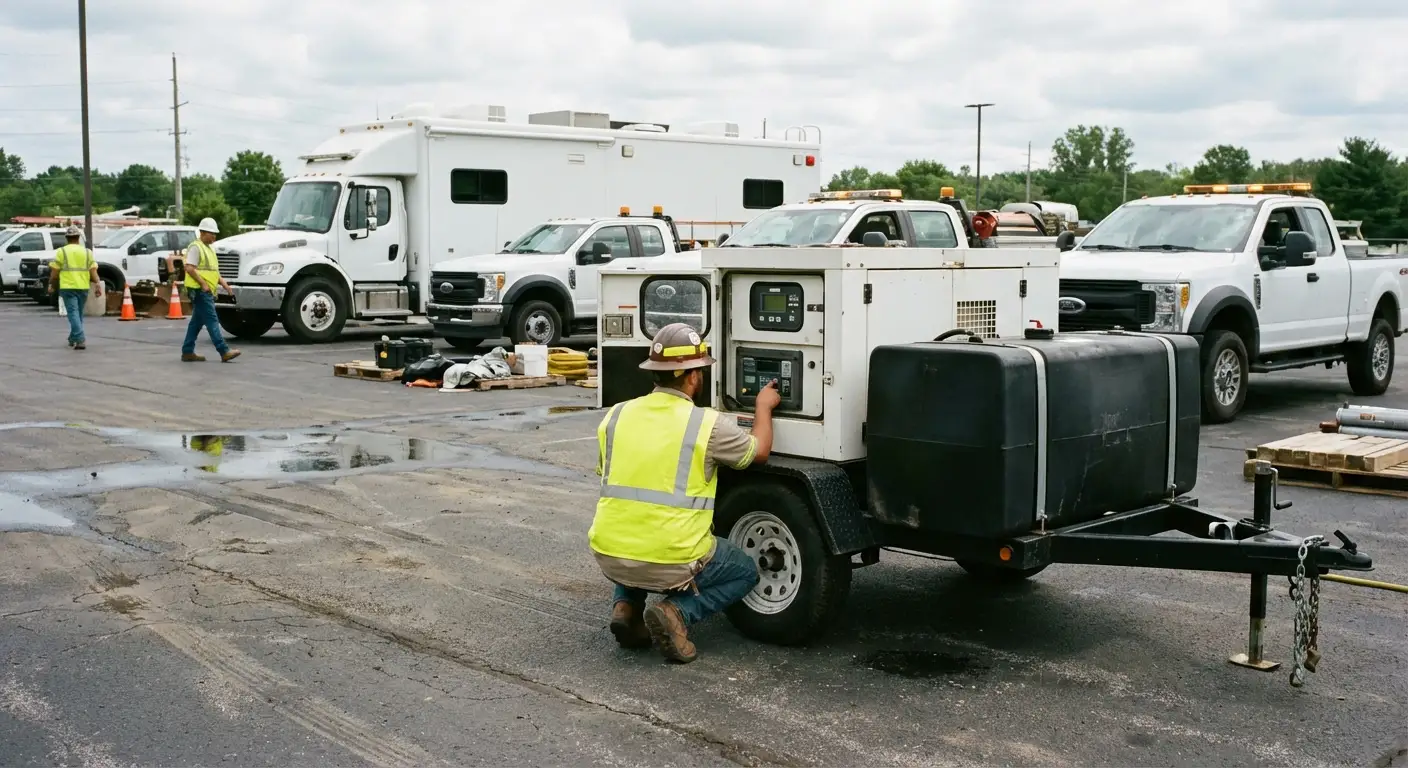
I remember the summer of 2003 when a nor'easter knocked out power across Southampton Village and Tuckahoe. That’s when it became clear: RV generators just don’t cut it for serious industrial demands. Our industrial generators handle heavy loads for extended periods, critical for construction and commercial use around Mecox and Shinnecock Hills. RV units are great for camping or light residential backup but fall short on runtime and capacity. We always advise customers to match their power needs carefully—especially in older neighborhoods with classic ranch houses—so they avoid downtime. Our rentals come with safety checks, proper distribution gear, and noise controls to keep things running smooth and compliant.
Technical Distinction Checklist
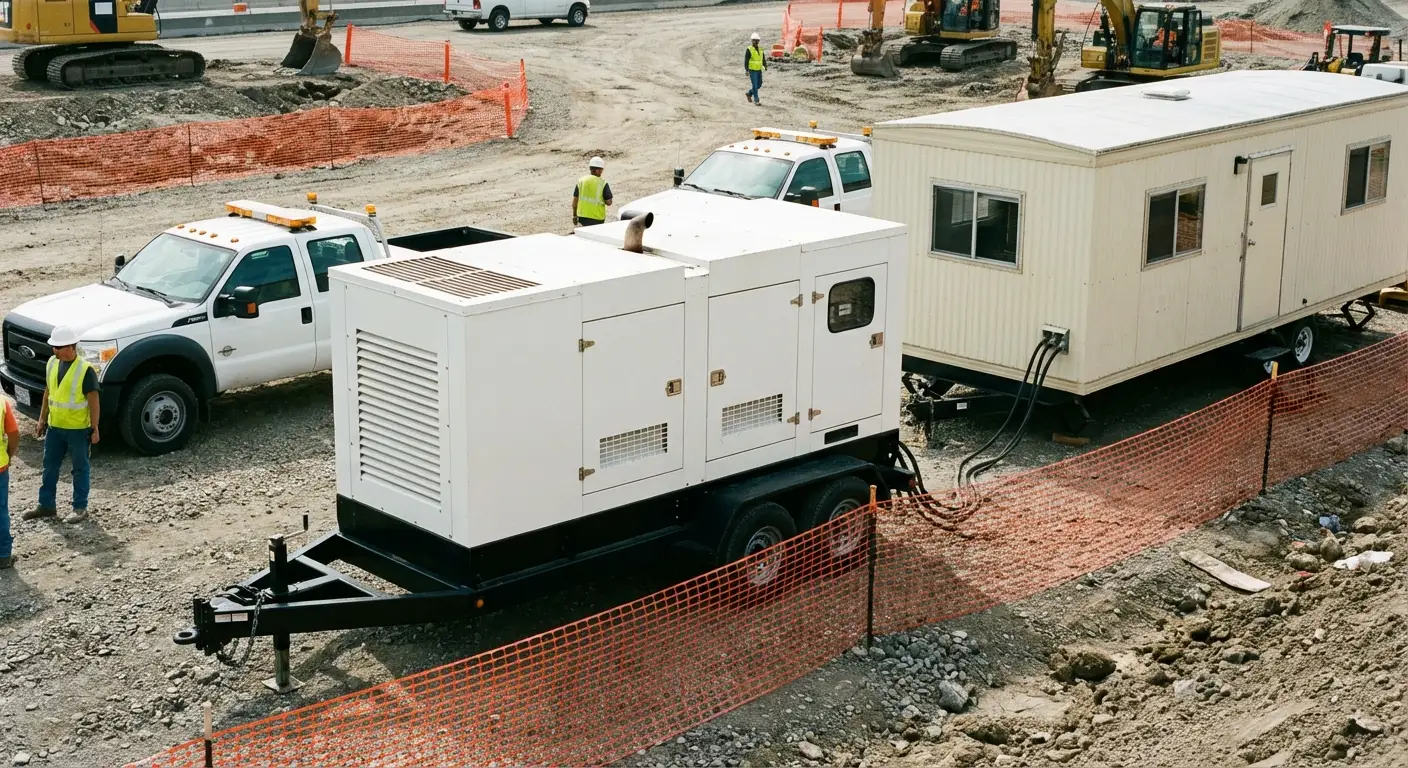
- Industrial generators provide continuous, high-capacity power suited for construction sites and commercial needs in Southampton.
- RV generators, while portable and convenient, are limited in output and runtime, making them unsuitable for heavy industrial applications.
- Rental agreements for industrial power include safety checks and setup to comply with OSHA and local codes in Mecox and Shinnecock Hills.
- Know your load requirements before renting to avoid underpowered setups, especially in residential areas like Tuckahoe with older homes.
- Industrial generators often feature advanced emission controls and sound attenuation, unlike typical RV generators.
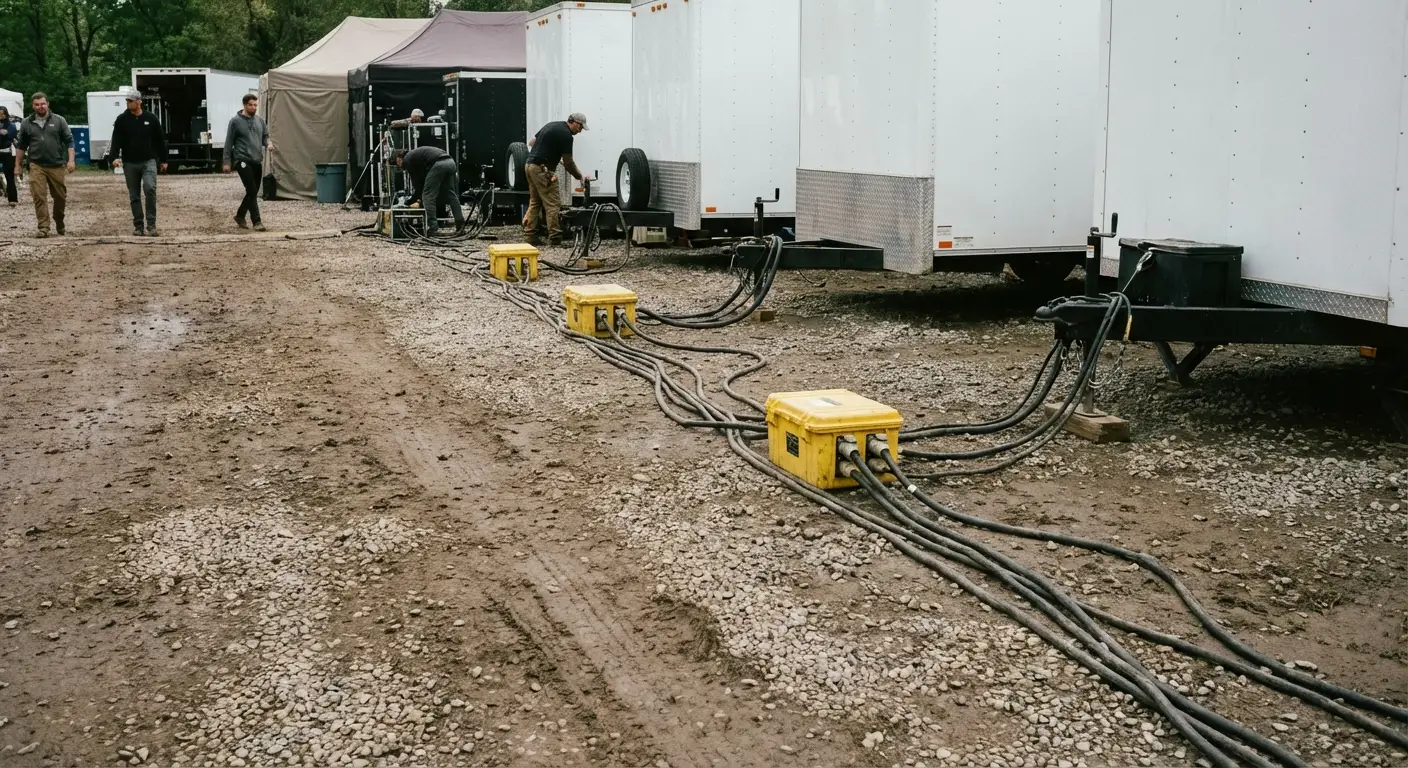
- Our crew ensures proper distribution equipment and cable ramps for safe, efficient power delivery at Agawam Park events or work sites.
Industrial Power vs. RV Generators: Rental Scope & Limitations — Part 2
Industrial rentals cover heavy loads, while RV generators fit light-duty backup only across Southampton sites.
| Service Scope | Reason for Exclusion | Alternative Recommendation |
|---|---|---|
| Industrial generator sizing | Industrial loads need stable voltage, phase balance, and starting surge capacity that RV generators rarely maintain on mixed jobsite equipment. | Match generator output to motor starts, heater loads, and continuous demand before renting. |
| Temporary power distribution | Construction panels, cam-lock feeds, and protected disconnects handle multiple circuits safely across varied Southampton job layouts and weather exposure. | Use distribution gear rated for the connected equipment and outdoor placement. |
| Jobsite standby power | Industrial standby setups support pumps, compressors, lighting towers, and tools without frequent overload trips during active work periods. | Select rental power built for continuous commercial duty and field wiring. |
| RV generator limitation review | RV units suit small recreational appliances, not sustained industrial duty, long cable runs, or high inrush equipment common on renovation sites. | Reserve RV generators for light auxiliary use only, never primary jobsite power. |
| Site-specific delivery coordination | Southampton Village driveways, Tuckahoe residential streets, and Shinnecock Hills access points require equipment sized for placement and fuel service logistics. | Verify access, clearance, and placement limits before dispatching rental equipment. |
Industrial Power vs. RV Generators: Rental Scope & Limitations — Part 3
Southampton job sites require industrial-grade equipment.
Why Your RV Generator Won't Save Your Industrial Load
When the lights go out, we light you up. Fast. Don't rely on camping gear.
Shinnecock Hills Golf Club Emergency
Southampton Village Ranch Restoration
Industrial Power vs. RV Generators: Rental Scope & Limitations — Part 4
When the lights go out, we light you up. Fast.
I remember the summer of 2003 when a nor’easter knocked out power across Southampton Village and Tuckahoe, and the difference between industrial power and RV generators became crystal clear. Industrial generators handle heavy loads for commercial and construction sites, while RV generators suit lighter, temporary needs. Knowing these limits helps us match the right unit to your job, avoiding costly downtime and ensuring steady, safe power throughout Mecox, Shinnecock Hills, or Tuckahoe.
-
Real World Example
During a job at Hildreth’s Home Goods, we swapped an RV generator for a 150kW industrial unit to handle multiple tools simultaneously.
Match power capacity to load demands
Industrial generators provide sustained high output for heavy equipment and long-term use. RV generators offer portable, lower-capacity power, best for small appliances or temporary backup. Choosing the correct size prevents overloads and equipment damage. -
Real World Example
On a Mecox site, our crew relied on an industrial generator with mobile fueling to keep a project going through a weekend storm.
Consider runtime and fuel availability
Industrial units run longer on bulk fuel supplies, ideal for extended outages or construction projects. RV generators have limited fuel tanks, requiring frequent refills and monitoring, unsuitable for continuous operations. -
Real World Example
We installed sound-attenuated industrial power near a Cape Cod home in Shinnecock Hills to meet local noise ordinances.
Account for noise and emissions regulations
Industrial generators often come with sound attenuation and EPA Tier 4 emissions compliance, critical in residential areas like Tuckahoe. RV generators tend to be noisier and less regulated, limiting their use in noise-sensitive zones. -
Real World Example
For a commercial event in Southampton, we used distribution equipment to power multiple vendor booths from one industrial generator.
Understand connection and distribution needs
Industrial power setups require heavy-duty cable ramps and distribution panels to safely route electricity across sites. RV generators usually have simple plug-in outlets, restricting their use for complex power demands.
Why Your Southampton Jobsite Needs Real Industrial Power
After that 2003 nor'easter left Tuckahoe in the dark, we learned the hard difference between industrial and RV generators. Our emergency standby units at Hildreth's Home Goods ran refrigeration compressors for 72 hours straight - something no RV generator could handle. Industrial models have hardened alternators, oversized cooling systems, and proper spill containment for commercial sites. For Mecox marinas or construction trailers, call us at (631) 760-5973 before risking your operation with undersized equipment.
System Requirements & Specifications
- Industrial generators handle continuous heavy loads, while RV units are designed for intermittent use
- Our equipment in Shinnecock Hills meets EPA Tier 4 emissions standards, unlike recreational models
- RV generators lack the ATS integration needed for automatic failover during outages
- We provide load bank testing to prevent wet stacking - a service never needed for RV units
Industrial Power vs. RV Generator Limitations
Technical distinctions between portable RV units and industrial rental power systems for residential and institutional sites in Southampton.
Difference between RV units and industrial rental units in Southampton Village?
Can RV generators power medical equipment near Stony Brook Southampton Hospital?
Power requirements for Mecox coastal properties during outages?
Electrical load capacity for Shinnecock Hills ranch-style homes?
Noise level constraints for industrial rentals in residential zones?
Fueling requirements for long-term industrial generator use?
Industrial and RV Generator Rentals for Southampton Projects
Specialized power solutions for construction sites, events, emergency backup, and mobile applications across Long Island's East End region.
OSHA-compliant equipment serving commercial and residential power requirements